
Eastern European Food Near Me: What to Order First and How to Find a Good Local Spot
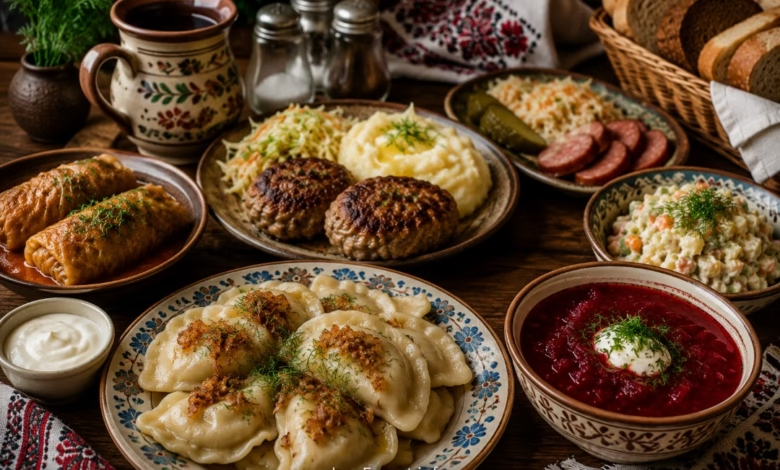
Searching for Eastern European food near me can mean many different things. Maybe you want a warm bowl of soup, a plate of dumplings, a deli counter with prepared meals, a bakery that smells like poppy seed rolls, or a restaurant where the food feels more like someone’s family table than a trendy tasting menu.
Eastern European food is not one single cuisine. It includes Ukrainian, Polish, Russian, Romanian, Moldovan, Czech, Slovak, Hungarian, Balkan, Baltic, Jewish, Belarusian and other regional food traditions. Some dishes are hearty and slow-cooked. Some are bright, pickled and fresh. Some are built around potatoes, cabbage, mushrooms, grains, sour cream, herbs, smoked meats, dumplings, soups, pastries and simple home-style cooking.
This guide helps you search smarter, understand what to order first, compare local cafes and delis, read menus with less confusion, ask better questions before ordering, and choose food that actually matches the kind of meal you want.
What counts as Eastern European food?
Eastern European food is a broad category, not a single menu. That is why two restaurants can both call themselves Eastern European and still feel completely different. One may serve Ukrainian borscht, varenyky, holubtsi and cutlets. Another may focus on Polish pierogi, kielbasa, bigos and potato pancakes. A third may have Hungarian goulash, cabbage rolls, schnitzel-style dishes, stews, dumplings and pastries. A deli may sell prepared salads, smoked fish, pickles, sausages, breads, cakes and frozen foods instead of restaurant plates.
The food often shares a few familiar patterns: soups, dumplings, potatoes, cabbage, mushrooms, grains, sour cream, pickled vegetables, smoked or cured foods, hearty stews, baked goods and home-style meat dishes. But the flavors vary by country, region, family and restaurant.
When you search for Eastern European food, you are not only searching for one dish. You are searching for a style of eating: warm, practical, filling, often family-centered, and usually connected to local immigrant communities.
That is why your best local option may not be the fanciest restaurant. It may be a small cafe, a grocery store with a hot bar, a Polish deli, a Ukrainian bakery, a Russian store, a Romanian market, a Balkan grill, or a family-owned restaurant that serves lunch specials only regular customers know about.
How to search smarter than “near me”
The phrase “Eastern European food near me” is a good start, but it can miss smaller businesses. Many local places do not describe themselves with broad SEO-friendly language. They may use a country name, a specific dish, or a store category instead.
Use several search layers instead of one phrase.
Try “Eastern European food near me,” “European deli near me,” “Slavic food near me,” “European grocery near me,” and “Eastern European restaurant near me.” These searches help you discover the general local landscape.
Try Ukrainian food, Polish food, Russian food, Hungarian food, Romanian food, Balkan food, Czech food, Slovak food, Lithuanian food, Latvian food or Serbian food near you. Some businesses rank better under a country-specific search.
Use dish names such as pierogi, varenyky, borscht, schnitzel, goulash, cabbage rolls, potato pancakes, kotleti, kielbasa, blintzes, poppy seed roll, stuffed cabbage or chicken paprikash.
Open the business profile and search inside reviews for “homemade,” “deli,” “prepared food,” “dumplings,” “soup,” “fresh,” “authentic,” “family,” “hot bar” and the specific dish you want.
Also try searching by neighborhood, not only by your phone’s current location. “Near me” can be too narrow. A better restaurant may be twenty minutes away in a suburb with a larger immigrant community. Add your city, county or nearby neighborhood to the search and compare results.
If a business has weak menu information but many customer photos of soups, dumplings, deli trays or prepared meals, do not dismiss it too quickly. Some of the best local food places are better at cooking than updating websites.
What to order first if you are new to the cuisine
If this is your first time ordering Eastern European food, do not start with the most obscure item on the menu. Start with dishes that reveal how the kitchen handles basics: soup, dumplings, potatoes, cabbage, meat, bread, salads and sauces.
A good first order should give you contrast: something warm, something fresh or pickled, something filling, and something that shows the kitchen’s personality.
- a soup such as borscht, mushroom soup, chicken soup, goulash soup or cabbage soup;
- a dumpling dish such as pierogi, varenyky, pelmeni or similar filled dumplings;
- a main dish such as cutlets, schnitzel, goulash, stuffed cabbage or sausage plate;
- a side such as mashed potatoes, buckwheat, potato pancakes, cabbage salad or pickles;
- a bakery item or dessert if the place is known for pastries.
For one person, a soup plus dumplings is often enough. For two people, order one soup, one dumpling dish, one main plate and one salad or pickle side. For a family, mix mild and stronger flavors: dumplings for comfort, a soup for warmth, cutlets or sausage for the main dish, and a fresh or pickled side to keep the meal balanced.
Do not order only one heavy dish and judge the entire cuisine from that. Eastern European meals usually make more sense when you combine a warm main dish with something acidic, fresh, pickled or creamy.
Comfort dishes worth trying
Eastern European comfort food is not always delicate. It is often practical food made for cold weather, long workdays, family tables and leftovers. But practical does not mean boring. A good kitchen knows how to make simple ingredients taste complete.
Here are dishes worth looking for first:
- Borscht: beet-based soup, often served with sour cream and herbs.
- Pierogi or varenyky: filled dumplings with potato, cheese, cabbage, meat, mushrooms, cherries or other fillings.
- Holubtsi or stuffed cabbage: cabbage leaves filled with meat, rice or grains, often cooked in tomato-based sauce.
- Kotleti: home-style cutlets made from ground meat, poultry, fish or vegetables.
- Goulash: stew or saucy meat dish, especially common in Hungarian and Central European menus.
- Potato pancakes: grated potato pancakes served with sour cream, applesauce, mushroom sauce or savory toppings.
- Kielbasa or sausage plate: smoked or cooked sausage with potatoes, cabbage, mustard or pickles.
- Schnitzel-style dishes: breaded and fried meat cutlets common across Central and Eastern European menus.
- Buckwheat with mushrooms: simple, earthy and very traditional in many home kitchens.
- Blintzes or nalysnyky: thin pancakes with sweet or savory fillings.
What you should order depends on the place. At a Ukrainian cafe, varenyky and borscht may be the safest test. At a Polish deli, pierogi, bigos, kielbasa and potato pancakes may be better. At a Hungarian restaurant, goulash and chicken paprikash may tell you more. At an Eastern European grocery store, prepared salads, cutlets, soups and frozen dumplings may be the real strength.
Soups that tell you a lot about the kitchen
Soup is one of the best ways to judge an Eastern European kitchen. It is difficult to hide careless cooking in soup. The broth, seasoning, vegetables, texture, acidity and freshness all show up quickly.
Look for soups such as:
- borscht;
- mushroom soup;
- chicken noodle or chicken rice soup;
- cabbage soup;
- goulash soup;
- sorrel soup;
- pickle soup;
- bean soup;
- barley soup;
- cold summer soups, if offered seasonally.
A good borscht should taste balanced, not flat. It may be sweet from beets, sour from vinegar or fermented elements, rich from broth, fresh from herbs, and creamy if served with sour cream. Mushroom soup should taste like mushrooms, not just salt and cream. Chicken soup should feel clean and comforting, not greasy and tired.
If a restaurant handles soup well, there is a good chance it cares about slow cooking, seasoning and freshness. If the soup tastes like an afterthought, be more careful with the rest of the menu.
For takeout, ask whether sour cream, herbs or croutons come separately. Soup can travel well, but toppings often do better in separate containers.
Dumplings, pierogi, varenyky and similar dishes
Dumplings are often the first dish people try when they search for Eastern European food nearby. They are familiar enough to feel safe but varied enough to show the character of a kitchen.
You may see several names depending on the cuisine:
- Pierogi: common in Polish menus, often filled with potato and cheese, sauerkraut, mushrooms, meat or fruit.
- Varenyky: Ukrainian dumplings with fillings such as potato, cabbage, cheese, mushrooms, meat or cherries.
- Pelmeni: smaller meat-filled dumplings, often served with sour cream, butter or broth.
- Manti: larger steamed dumplings found in Central Asian and related cuisines.
- Kreplach: Jewish filled dumplings, often served in soup or fried.
Ask whether dumplings are boiled, pan-fried after boiling, baked, or served with onions, sour cream, butter, bacon, mushrooms or sauce. The same filling can taste completely different depending on how it is finished.
If you are unsure what to choose, start with potato-and-cheese dumplings and one more filling that sounds interesting. This gives you one classic option and one comparison.
For delivery, dumplings can arrive stuck together if packed poorly. Ask for sour cream and sauces on the side. If ordering pan-fried dumplings, shorter delivery distance usually matters because crisp edges soften quickly in closed containers.
Cutlets, kotleti and meat plates
Cutlets appear across many Eastern European menus, but the word can mean different things. It may refer to ground-meat kotleti, breaded chicken or pork cutlets, schnitzel-style dishes, fish patties, vegetable patties or home-style lunch plates.
If you specifically want ground-meat Eastern European cutlets, read our guide to finding Russian kotleti near you. It explains menu names, deli counters, frozen options, side dishes and questions to ask before ordering.
When ordering cutlets from a broader Eastern European menu, ask:
- Are the cutlets made from ground meat or sliced meat?
- Are they beef, pork, chicken, turkey, fish or mixed meat?
- Are they breaded?
- Are they fried, baked or cooked in sauce?
- What sides come with the plate?
- Is gravy, sour cream or sauce included?
- Are breadcrumbs, egg or dairy used in the recipe?
The best cutlet plates are usually not complicated. A tender cutlet, good potatoes or buckwheat, a crisp salad, pickles and a simple sauce can be more satisfying than a large plate with too many heavy items.
In some American restaurants, “chicken cutlet” means a thin breaded piece of chicken. In Eastern European home-style cooking, kotleti usually means ground-meat patties. Ask before ordering if the difference matters to you.
Delis, grocery stores and prepared-food counters
Many people make the mistake of searching only for restaurants. For Eastern European food, stores and delis can be just as important. A good local grocery may sell soups, dumplings, cutlets, salads, smoked fish, sausages, pickles, breads, cakes, frozen foods and ready-to-heat dinners.
Look for:
- prepared-food counters;
- hot bars;
- frozen dumpling sections;
- house-made salads;
- smoked fish and cured meats;
- sausages and deli meats;
- pickled vegetables;
- fresh rye bread or dark bread;
- cakes, rolls and pastries;
- seasonal holiday foods.
Prepared-food counters are useful when you want dinner at home without cooking everything yourself. They can also introduce you to dishes that restaurants do not always offer. Ask staff what was made today, what reheats well, and what customers buy most often.
A restaurant gives you one meal. A good Eastern European grocery can give you dinner, leftovers, frozen dumplings, bread, pickles and dessert in one trip.
Check labels carefully, especially with frozen foods and prepared dishes. Some packages may not be fully translated. If you have allergies, dietary restrictions or religious food rules, ask questions before buying.
How to read reviews and photos before choosing a place
Reviews can help, but they can also mislead. Some customers judge a small deli by restaurant-service standards. Others give five stars because the food reminds them of home, even if the menu is confusing for newcomers. Read for patterns, not just ratings.
Look for positive review signs:
- customers mention homemade food;
- recent photos show full plates or fresh deli cases;
- people praise soups, dumplings, cutlets, salads or baked goods;
- reviewers say staff helped explain dishes;
- regular customers mention specific items;
- prepared food appears fresh and well stocked;
- multiple reviews mention returning for the same dish.
Watch for warning signs:
- many recent complaints about stale prepared food;
- unclear pricing at checkout;
- wrong delivery orders mentioned repeatedly;
- staff unable to answer basic ingredient questions;
- photos showing old-looking hot bar items;
- several reviews saying food quality changed recently.
Prepared food quality can change quickly when ownership, cooks, suppliers or staffing changes. Sort reviews by newest and check recent customer photos before deciding.
Photos matter because Eastern European dishes are often simple. A good plate may not look trendy, but it should look fresh, generous and balanced. If every photo looks dry, gray or carelessly packed, keep searching.
Ingredients, allergies and dietary questions
Eastern European food often uses wheat, dairy, eggs, fish, meat, mushrooms, nuts, seeds, sour cream, butter, bread crumbs and shared cooking surfaces. That does not mean it is unsafe, but it does mean you should ask questions if you have allergies or dietary limits.
Useful questions include:
- Does this dish contain wheat, flour, breadcrumbs or semolina?
- Is there egg in the dough, filling, cutlet or sauce?
- Is dairy used, such as sour cream, butter, milk, cream or cheese?
- Is the dish made with pork, beef, chicken, fish or mixed meat?
- Are meat and vegetarian dishes cooked on shared surfaces?
- Are sauces thickened with flour?
- Are dumplings boiled in shared water?
- Are desserts made with nuts, poppy seeds or sesame?
- Can staff check with the kitchen instead of guessing?
If you have a serious allergy, “I think it is fine” is not enough. Ask for confirmation. If staff cannot clearly answer ingredient or cross-contact questions, choose a safer dish or a different place.
Vegetarian options can be excellent, but they are not always vegan. Potato dumplings may contain butter or cheese. Mushroom dishes may contain sour cream. Vegetable soups may use meat broth. Cabbage rolls may look vegetarian but contain meat. Ask directly.
Takeout, delivery and reheating tips
Eastern European food can be excellent for takeout because many dishes are sturdy: dumplings, cutlets, stews, soups, stuffed cabbage, potatoes, grains and prepared salads. But packaging matters. A good dish can arrive disappointing if hot and cold items are packed together or sauces spill into everything.
Before ordering delivery, check:
- whether soup is packed separately and sealed well;
- whether sour cream or sauce comes on the side;
- whether dumplings are boiled, fried or frozen;
- whether cutlets come with sides;
- whether salads are packed away from hot food;
- estimated delivery time;
- recent delivery reviews;
- fees, service charges and final total before checkout.
For reheating, use common sense. Soups and stews usually reheat well. Cutlets often do better in a covered pan than in a microwave. Dumplings can be gently pan-fried with a little butter or oil if they arrive soft. Salads with mayonnaise or dairy should be kept cold and not left out for long periods.
Choose one dish that reheats well and one fresh side. For example: cutlets with buckwheat plus cabbage salad, or dumplings plus soup with sour cream packed separately.
Consumer notes before you pay
Most restaurant and grocery purchases are simple. You order food, you pay, you eat. Problems usually happen when pricing is unclear, menu descriptions are vague, items are missing, delivery arrives wrong, or staff cannot answer ingredient questions.
Before paying or placing an order, check:
- the final price, including tax, fees and delivery charges;
- whether sides are included or separate;
- whether food is fresh, frozen, raw, partially cooked or fully cooked;
- whether prepared food is sold by piece, by pound or by plate;
- refund or replacement options for wrong items;
- delivery app support rules;
- ingredient and allergen information if relevant;
- receipt, order confirmation and photos if something goes wrong.
Take photos, save the receipt, keep the app confirmation, and contact the restaurant, store or delivery platform quickly. Clear documentation makes it easier to ask for a correction, refund or replacement.
Not every food mistake becomes a legal issue. Most are handled through customer service. But if the problem involves a serious allergy, unsafe food, misleading pricing, repeated billing issue or a larger payment dispute, documentation becomes much more important.
Useful sources
For food safety, allergen information and consumer questions, check current official sources before making decisions. Restaurant practices, delivery platform policies and consumer protections may vary.
This article is for general informational purposes only. It is not legal advice, medical advice, nutrition advice or a restaurant endorsement. Food ingredients, preparation methods, allergen risks, refund policies, delivery rules and consumer rights can vary by restaurant, store, delivery platform, state and individual situation. If you have a serious allergy, medical condition, food safety concern, payment dispute or legal problem, consider contacting the appropriate professional, agency or qualified attorney.
Questions and answers
What is Eastern European food?
Eastern European food is a broad category that includes dishes from Ukrainian, Polish, Russian, Romanian, Hungarian, Balkan, Baltic, Czech, Slovak, Belarusian and other regional traditions. Common foods include soups, dumplings, cutlets, cabbage dishes, potatoes, grains, pickles, smoked meats, pastries and prepared deli foods.
How do I find Eastern European food near me?
Search by broad cuisine, country and dish. Try “Eastern European food near me,” “Ukrainian food near me,” “Polish deli near me,” “Russian store near me,” “pierogi near me,” “borscht near me,” and “European grocery near me.” Also check photos and recent reviews.
What should I order first at an Eastern European restaurant?
A good first order is soup plus dumplings or a simple main plate with a fresh or pickled side. For example, try borscht, pierogi or varenyky, cutlets, stuffed cabbage, potato pancakes, cabbage salad or pickles.
Are pierogi and varenyky the same thing?
They are similar filled dumplings, but the name and style vary by cuisine. Pierogi are commonly associated with Polish food, while varenyky are common in Ukrainian food. Fillings may include potato, cheese, cabbage, mushrooms, meat or fruit.
Can I find Eastern European food at grocery stores?
Yes. Many Eastern European grocery stores and delis sell prepared foods, frozen dumplings, soups, cutlets, salads, smoked fish, sausages, pickles, breads and pastries. Sometimes the grocery store is better than a restaurant for family-style meals at home.
What are good Eastern European comfort dishes?
Popular comfort dishes include borscht, pierogi, varenyky, kotleti, stuffed cabbage, goulash, potato pancakes, kielbasa, schnitzel-style cutlets, buckwheat with mushrooms and blintzes or nalysnyky.
Is Eastern European food good for takeout?
Many dishes are good for takeout, especially soups, dumplings, cutlets, stews, stuffed cabbage, potatoes and grains. Ask for sauces, sour cream and dressings on the side, and keep hot and cold foods separate when possible.
What allergy questions should I ask before ordering?
Ask whether the dish contains wheat, egg, dairy, fish, nuts, sesame, meat broth or shared cooking surfaces. Dumplings, cutlets, sauces, pastries and prepared deli foods may contain ingredients that are not obvious from appearance.
How do I know if a local place is good?
Check recent reviews, customer photos, prepared-food counters, comments about freshness and specific dishes people recommend. Be cautious if several recent reviews mention stale food, unclear prices, missing delivery items or staff who cannot answer ingredient questions.
Is this article legal advice?
No. This guide is general information about finding and ordering Eastern European food, with practical consumer and food safety notes. It is not legal, medical or nutrition advice.
у своєму регіоні або по всьому світу
locally or worldwide